 |
||
 |
 |
 |
 |
|
 |
 |
 |
 |
 |
|
 |
|
 |
|
 |
|
 |
|
 |
 |
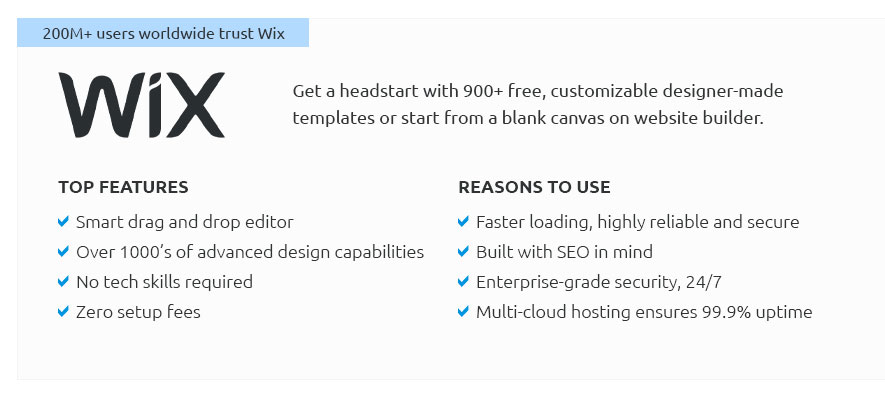
The Expansive World of Personal Website Platforms: A Comprehensive ExplorationIn today's digital age, the importance of carving out a unique online presence cannot be overstated, and personal website platforms serve as the cornerstone of this endeavor. These platforms, ranging from the simplest drag-and-drop interfaces to highly customizable content management systems, offer a myriad of possibilities for individuals eager to establish their personal brand, showcase their work, or simply share their thoughts with the world. The selection of the right platform is often contingent on a blend of factors including technical skill, design preferences, and the ultimate purpose of the site. Understanding the Landscape: The market is replete with options, each catering to different needs and levels of expertise. For instance, platforms like Wix and Squarespace are lauded for their user-friendly interfaces and aesthetically pleasing templates. These platforms make it easy for those with minimal technical knowledge to create visually appealing websites. The drag-and-drop functionality allows users to construct their sites with relative ease, making them particularly attractive for beginners or those with time constraints. However, the trade-off often lies in the limitations on customization and flexibility. On the other end of the spectrum, we find platforms like WordPress, which offers a powerful and highly flexible solution that can be tailored extensively to meet the specific needs of the user. WordPress's open-source nature is both its greatest strength and its potential weakness. While it allows for unparalleled customization through an extensive library of plugins and themes, it also requires a steeper learning curve and a more hands-on approach to maintenance and security. This makes it a favored choice among more technically inclined individuals or those willing to invest the time to learn the ropes. The Rise of Niche Platforms: In addition to these well-established options, there has been a proliferation of niche platforms that cater to specific types of users or content. For example, Ghost is a platform designed primarily for bloggers and content creators, focusing on speed and simplicity. Its minimalist approach appeals to those who prefer a distraction-free writing environment. Similarly, platforms like Shopify and BigCommerce cater to entrepreneurs and business owners looking to establish an online store, providing e-commerce functionalities out of the box. These platforms illustrate a growing trend toward specialization, enabling users to select a solution that aligns closely with their specific needs and objectives.
Final Thoughts: Ultimately, the decision of which personal website platform to use hinges on one's individual goals, technical capabilities, and the level of control desired over the final product. While platforms like Wix and Squarespace offer simplicity and elegance, those seeking more control and flexibility might gravitate toward WordPress or specialized solutions. As the digital landscape continues to evolve, these platforms will undoubtedly adapt to meet the changing needs of users, ensuring that everyone-from novices to seasoned web developers-can find a suitable home for their online presence. https://www.careervillage.org/questions/758205/what-are-the-platforms-available-for-creating-a-personal-portfolio-website-with-a-custom-domain-mynamecom
Hi Harshitha, the free website builder tools and platforms like Wix and Wordpress are great ways to help you build your first portfolio or ... https://www.reddit.com/r/DigitalMarketing/comments/1drxnz8/most_simple_and_cost_effective_way_to_build_a/
For a simple and cost-effective personal website, WordPress is still a solid choice, especially with its vast plugin ecosystem and ease of use.
|

